

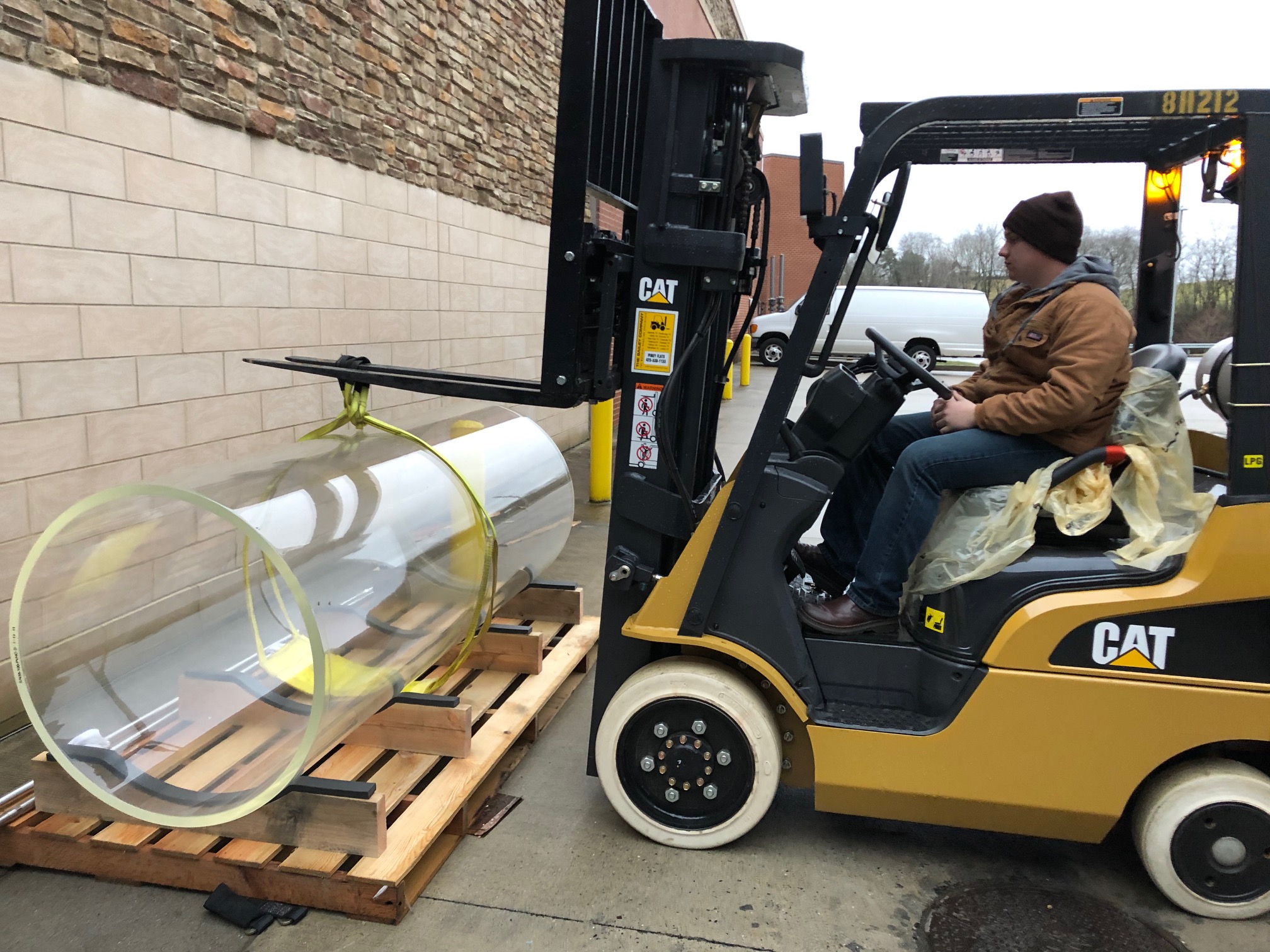
Relocating a hyperbaric chamber is not as simple as moving a piece of medical equipment from one room to another. Whether a hospital is moving a chamber across a hallway, to another floor, across town, or to an entirely different facility, the success of the relocation depends heavily on the planning completed before the move begins. A hyperbaric chamber may fit perfectly within its current treatment room, but relocating that same chamber to a new space can reveal challenges that were never an issue before.
Doorways may be too narrow, hallway turns may not provide adequate clearance, elevators may not accommodate the chamber’s size or weight, and existing medical gas or electrical connections may not meet the equipment’s requirements. The destination room itself may also require preparation before installation can begin. Depending on the facility and chamber configuration, this could include construction or structural modifications, ventilation upgrades, changes to medical gas infrastructure, electrical work, or fire and life-safety improvements.
When these requirements are discovered after a relocation is already underway, the consequences can quickly add up: additional service days, unexpected construction costs, installation delays, and extended downtime for the hyperbaric program. For this reason, relocating a hyperbaric chamber should never be approached as simply moving equipment from Point A to Point B. It is a coordinated technical project that requires careful planning before the chamber ever leaves its existing location. A successful relocation typically requires coordination between the hyperbaric service provider, facility leadership, clinical engineering, facilities management, medical gas professionals, contractors when necessary, and the hospital’s hyperbaric team.
Each plays an important role in ensuring the chamber can be safely transported, installed, connected, tested, and returned to clinical service. Before scheduling a hyperbaric chamber relocation, facilities should carefully review the following key areas to help prevent costly surprises and unnecessary downtime.
1. Confirm Exactly Which Chamber Is Being Relocated
Before planning begins, confirm the identity of the equipment.
The relocation team should have:
- Manufacturer
- Model
- Serial number
- Chamber age
- Current service status
- Current location
- Destination location
- Approximate dimensions
- Approximate weight
- Available manuals and drawings
- Service and overhaul history
This information helps determine how the chamber should be handled, whether disassembly may be required, what equipment may be necessary for the move, and what service should be completed before or after relocation. Chamber age is especially important. A chamber approaching a major maintenance milestone should not be relocated without considering whether upcoming service should be coordinated with the move. If a 10-Year Mechanical Overhaul or other major life-cycle work is already approaching, completing certain work while the chamber is disassembled or out of clinical operation may reduce future disruption.
BaroServ’s Hyperbaric Chamber Maintenance Timeline: From Installation to 20-Year Overhaul explains how annual preventive maintenance, Mechanical Overhauls, Cylinder Overhauls, and other life-cycle considerations fit together throughout a chamber’s service life.
2. Document the Chamber’s Condition Before It Moves
A pre-relocation condition assessment is one of the most valuable steps in the process. Before disassembly or transportation begins, document the chamber’s current condition.
This may include:
- Overall exterior condition
- Acrylic condition
- Control-panel operation
- Door operation
- Gurney condition
- Visible plumbing and fittings
- Electrical connections
- Medical gas connections
- Existing damage
- Current alarms or operational concerns
- Known maintenance recommendations
Photographs should be taken before the move whenever practical. This documentation creates a baseline that can be compared against the chamber’s condition after transportation and re-installation. If the chamber already has known problems, those should be identified before relocation rather than discovered after the move. This is especially important with older equipment or chambers with incomplete maintenance histories.
Facilities that are unsure whether their records are complete can use the same principles outlined in How to Audit Your Hyperbaric Maintenance Records Before an Inspection to organize service history, recommendations, previous repairs, and life-cycle documentation before the project begins.
3. Measure the Entire Exit Route From the Current Location
One of the most common relocation mistakes is measuring the chamber but not the path it must travel, however, the relocation team should evaluate the entire route from the chamber’s current location to the loading area.
Measure and photograph:
- Treatment-room doorway
- Hallways
- Corners and turns
- Elevators
- Elevator doors
- Elevator interiors
- Stairwells if applicable
- Loading docks
- Exterior doors
- Ramps
- Ceiling clearances
- Narrow passageways
A doorway may appear wide enough until door hardware, frames, handrails, wall protection, or the chamber’s actual transport orientation are considered. Hallway turns can be equally important. A chamber may fit through a doorway but still be unable to negotiate a sharp turn immediately afterward. Hospitals should provide accurate measurements to the relocation provider before arrival.
If walls, doors, frames, or other building components must be temporarily removed, that work should be identified and scheduled in advance. Waiting until the technician arrives to discover that the chamber cannot physically leave the building can add significant time and expense to the project.
4. Measure the Entire Entry Route at the New Facility
The destination route deserves the same level of attention. A chamber that successfully leaves one facility may still be impossible to install at the new one if the receiving route was never evaluated.
Review:
- Loading and unloading area
- Exterior access
- Doorways
- Hallways
- Turns
- Elevators
- Floor transitions
- Ceiling height
- Treatment-room entrance
- Final chamber position
The relocation provider should also know whether the destination is:
- Ground level
- Above or below grade
- Accessible by elevator
- Accessible through a loading dock
- Inside an active clinical area
- Under construction
- Subject to restricted work hours
More accurate information before mobilization makes it easier to decide whether we need moving equipment, personnel, wall removal, or rigging.
5. Determine Whether the Chamber Must Be Disassembled
Depending on the chamber model and facility access, partial disassembly may be necessary for removal, transportation, or installation.
For example, this may involve removing components such as:
- Control consoles
- Gurney assemblies
- External plumbing
- Accessories
- Equipment panels
- Other manufacturer-specific components
Disassembly should be performed by personnel who understand the chamber and its systems. Improper removal can damage components, disturb connections, create alignment issues, or complicate reassembly.
The facility should also confirm who is responsible for:
- Disassembly
- Packaging
- Labeling components
- Protecting sensitive equipment
- Transportation
- Reassembly
- Final testing
We assign clear responsibility to prevent confusion when multiple vendors, movers, contractors, or facility departments collaborate.
6. Determine Whether Rigging or Specialized Moving Equipment Is Needed
Specialized dollies, pallet systems, lift equipment, or other controlled moving methods allow some hyperbaric chamber relocations without cranes. Others may require more extensive rigging.
Factors that influence the decision include:
- Chamber weight
- Chamber dimensions
- Floor elevation
- Loading dock availability
- Doorway dimensions
- Stairs
- Distance from the building to transport vehicle
- Site restrictions
- Floor load limits
If lifting equipment will be required, identify this during the planning stage.
Facilities should also determine whether:
- The hospital allows forklifts indoors
- Floor protection is required
- Certain entrances must be used
- Security or facilities escorts are required
- Rigging contractors require advance approval
- Work must occur outside normal clinical hours
These details may seem logistical, but they determine whether the move completes in one day or becomes a multi-day project.
7. Confirm the Destination Room Is Ready Before the Chamber Arrives
One of the most expensive relocation mistakes is moving the chamber before the new room is ready.
Before scheduling installation, verify that required facility work has been completed. Depending on the chamber and installation, this may include:
- Electrical service
- Medical gas connections
- Oxygen supply
- Compressed air supply
- Exhaust connections
- Ventilation
- Grounding
- Fire protection
- HVAC
- Floor preparation
- Wall finishes
- Required clearances
- Communication systems
- Emergency systems
The exact requirements depend on the chamber, facility, manufacturer instructions, and applicable codes. NFPA 99: Health Care Facilities Code includes a dedicated chapter for hyperbaric facilities and addresses important aspects of the environment surrounding hyperbaric systems. This is why the hyperbaric service provider should be involved before room construction or modification is finalized. A connection that appears correct from a general construction standpoint may not match the chamber’s actual requirements.
8. Verify Electrical Requirements
Electrical compatibility should be confirmed before installation day.
Hospitals should review:
- Required voltage
- Phase
- Frequency
- Circuit requirements
- Receptacle configuration
- Grounding
- Emergency power considerations
- Manufacturer specifications
Never assume the electrical configuration at the destination matches the original installation. Even within the same hospital system, electrical infrastructure can vary from room to room. Any required modifications should be completed and verified before the chamber arrives. The FDA’s current HBOT safety recommendations specifically remind healthcare facilities to follow manufacturer instructions and maintain appropriate safety measures, including proper grounding and recommended maintenance and safety checks.
Read the FDA’s Hyperbaric Oxygen Therapy Device Safety Recommendations.
9. Verify Medical Gas and Pressure-Supply Requirements
The chamber’s gas and pressure requirements must also be reviewed carefully. Depending on the chamber system, the installation may rely on:
- Oxygen
- Compressed air
- Facility medical gas systems
- Bulk oxygen systems
- Dewars
- Other approved supply arrangements
The new facility should confirm that the supply system can provide the required pressure and flow under actual operating conditions. This is particularly important when a chamber is relocated from one facility with an established oxygen infrastructure to another facility using a different supply configuration. Improperly sized or incompatible supply infrastructure can affect chamber performance even when the chamber itself is functioning correctly.
For example, BaroServ recently discussed how upstream supply conditions can influence pressurization performance in Why Your Hyperbaric Chamber Is Taking Longer to Pressurize. The chamber should not be installed with the assumption that utility issues can simply be solved later.
10. Review Ventilation, Fire Protection, and Room Safety
Hyperbaric treatment environments involve specialized safety considerations. Before installation, facility teams should review:
- Room ventilation
- Fire protection
- Oxygen-enriched environment controls
- Emergency access
- Grounding
- Electrical equipment
- Prohibited materials
- Storage practices
- Emergency procedures
These requirements should be evaluated against the chamber classification, treatment environment, manufacturer instructions, applicable codes, and local authority requirements. NFPA 99 Chapter 14 addresses hyperbaric facilities, while the FDA continues to emphasize fire prevention, proper grounding, staff training, manufacturer-directed maintenance, and other safety measures for HBOT devices. This is not an area where facilities should rely on assumptions based on how the old room was configured. A new room represents a new installation environment and should be evaluated accordingly.
11. Review the Chamber’s Acrylic Before and After Transportation
For monoplace chambers, acrylic condition should be documented before relocation. Transportation introduces vibration, handling, lifting, temperature changes, and other environmental factors that do not occur during normal stationary operation. Before moving the chamber, inspect and document the acrylic for:
- Crazing
- Scratches
- Chips
- Cracks
- Clouding
- Chemical damage
- Existing surface defects
The acrylic should then be re-evaluated after transportation and installation. ASME’s current PVHO-2: Safety Standard for Pressure Vessels for Human Occupancy — Post-Construction Requirements provides technical criteria and guidance for the operation and maintenance of PVHO systems, including serviceability considerations for PVHO acrylic windows. Facilities can also review BaroServ’s Is It Time to Replace That Acrylic? for additional discussion about acrylic age, condition, inspection, and life-cycle planning.
12. Review Existing Maintenance Before the Move
Relocation creates an opportunity to address service needs while the chamber is already unavailable for treatments.
Before scheduling the move, review:
- Last annual PM date
- Open repair recommendations
- Known leaks or performance issues
- Upcoming parts replacement
- Mechanical Overhaul timing
- Cylinder Overhaul timing
- Acrylic recommendations
If scheduled maintenance is already approaching, coordinating it with the relocation may reduce the number of separate service interruptions. However, the scope should be planned intentionally. Relocation itself should not automatically be considered preventive maintenance or an overhaul. Each service has a different purpose and should be documented separately. Facilities uncertain about the distinction between routine maintenance and major life-cycle work can review Do You Need an MOH or Just a PM?.
13. Protect the Chamber Properly During Transportation
A hyperbaric chamber should be transported as specialized medical equipment—not ordinary freight. The relocation provider should develop a plan for:
- Protecting acrylic surfaces
- Securing moving components
- Protecting controls
- Preventing impact damage
- Stabilizing the chamber
- Packaging removed components
- Labeling disconnected systems
- Preventing contamination
- Protecting sensitive electronics
- Securing the chamber during transport
The transport vehicle and loading method should be appropriate for the chamber’s size and weight. Facilities should also clarify insurance responsibilities before transportation begins.
Determine who is responsible if equipment is damaged:
- During disassembly
- While leaving the original facility
- During loading
- In transit
- During unloading
- During installation
14. Plan for Unexpected Facility Conditions
Even well-planned relocation projects can encounter surprises.
Examples include:
- Doorway measurements that were inaccurate
- Hidden structural obstacles
- Incompatible utility connections
- Construction that was not completed
- Restricted access
- Elevator limitations
- Electrical issues
- Delayed contractors
- Missing hardware
- Damaged components discovered during disassembly
- Additional repairs required before re-installation
Hospitals should discuss in advance how additional service days will be handled if the project extends beyond the original scope.
A transparent relocation quote should explain:
- Included labor
- Included travel
- Transportation
- Installation
- Testing
- Exclusions
- Additional-day rates
- Facility responsibilities
These details are similar to those hospitals should evaluate with any hyperbaric service proposal. BaroServ’s How to Evaluate a Hyperbaric Chamber Service Quote explains why scope, travel, parts, documentation, qualifications, and exclusions should all be reviewed before approving a project.
15. Reinstallation Is More Than Putting the Chamber Back Together
Once the chamber arrives at the new location, installation begins.
The chamber may need to be:
- Reassembled
- Positioned
- Leveled
- Reconnected
- Adjusted
- Calibrated
- Inspected
- Tested
Connections disturbed during the move should be evaluated appropriately. Components removed during disassembly should be installed correctly. Operational settings should be verified. The chamber should not simply be connected and immediately returned to patient care. A relocation changes the chamber’s physical environment and can affect connections, alignment, controls, utilities, and supporting systems.
16. Perform Post-Installation Testing Before Clinical Use
Post-installation testing is a critical part of the relocation.
The exact testing requirements vary by chamber and manufacturer, but evaluation may include:
- Operational testing
- Leak testing
- Pressurization
- Pressure stability
- Decompression
- Controls
- Safety devices
- Alarms
- Communications
- Emergency functions
- Gas supply performance
- Electrical systems
The goal is to verify that the chamber and supporting systems are functioning properly in their new environment. ASME PVHO-1 establishes requirements related to the design, fabrication, inspection, testing, marking, and certification of Pressure Vessels for Human Occupancy, including hyperbaric chambers.
Manufacturer procedures, applicable standards, facility policies, and local requirements should guide the final installation and return-to-service process.
17. Update the Chamber’s Documentation
A relocation becomes part of the chamber’s permanent history.
Facilities should retain documentation including:
- Previous location
- New location
- Relocation date
- Service provider
- Pre-move condition
- Post-move condition
- Components removed
- Repairs completed
- Installation work
- Testing performed
- Utility changes
- Photographs
- Final service report
Keeping this documentation with the chamber’s maintenance records improves future troubleshooting and life-cycle planning. If the chamber is later sold, relocated again, or undergoes major service, future technicians should be able to determine when and how the equipment was moved. Good documentation also prevents the maintenance history from becoming fragmented as staff, vendors, or hospital ownership changes.
18. Coordinate the Move Around Patient and Program Downtime
A relocation affects more than equipment. It affects the clinical program. Hospitals should plan for:
- Last treatment date at the original location
- Estimated chamber downtime
- Patient scheduling
- Referral or transfer plans if needed
- Staff availability
- Construction schedules
- Service technician availability
- Inspection or approval requirements
- First anticipated treatment date at the new location
Avoid scheduling patient treatments immediately after the anticipated installation completion unless sufficient time exists for testing, corrective work, and unexpected delays. A project that appears to require two days may take longer if facility issues are discovered. Building flexibility into the clinical schedule can reduce pressure on both hospital staff and the technical team.
Red Flags to Address Before Scheduling a Hyperbaric Chamber Relocation
A relocation deserves additional planning when:
- Access measurements have not been confirmed
- The new room is still under construction
- Utilities have not been verified
- Chamber service records are incomplete
- Existing mechanical problems remain unresolved
- The chamber is approaching a major overhaul
- Acrylic condition has not been documented
- Rigging requirements are unknown
- Transportation responsibility is unclear
- The destination room has not been reviewed by the appropriate facility teams
- The facility expects immediate clinical use after installation without testing
- Multiple contractors are involved but responsibilities have not been defined
Any of these conditions can turn a straightforward relocation into a longer and more expensive project. The earlier they are identified, the easier they are to manage.
Why Pre-Relocation Planning Matters
The most successful hyperbaric chamber relocations are the ones that feel almost uneventful once the work begins—and that is rarely by accident. A smooth relocation is the result of careful planning: accurate measurements, reviewed site photographs, verified utilities, completed facility preparations, evaluated service history, clearly defined responsibilities, and documented chamber condition before the relocation team ever arrives onsite.
Good planning also helps facilities develop more accurate budgets. Instead of discovering additional costs during the project, hospitals can anticipate:
- Transportation
- Labor
- Travel
- Rigging
- Construction
- Utility modifications
- Parts
- Repairs
- Additional service days
- Testing
- Preventive maintenance
A relocation quote should reflect the known scope, but the facility also has a responsibility to provide accurate information about site conditions. Clear communication on both sides dramatically reduces surprises.
Conclusion
Relocating a hyperbaric chamber involves far more than transportation. Building access, utilities, medical gas supply, electrical service, room requirements, equipment condition, rigging, installation, testing, and documentation must all be addressed before the chamber can safely return to clinical service. Many of the most expensive relocation problems are not equipment failures—they are planning failures. An incorrect doorway measurement, unfinished utility connection, overlooked maintenance issue, or improperly prepared treatment room can quickly lead to delays, additional service days, unexpected construction costs, and extended downtime.
Facilities can reduce these risks by evaluating the chamber and destination site early, verifying measurements and utilities, reviewing maintenance history, identifying rigging requirements, and clearly defining responsibilities before the move begins. A well-planned relocation protects the equipment, minimizes downtime, controls unexpected costs, and helps ensure the chamber is properly installed, tested, and ready for its next chapter of clinical service.
Planning a Hyperbaric Chamber Relocation?
BaroServ provides hyperbaric chamber relocation and installation support for hospitals, wound care centers, and other healthcare facilities. Our team can help evaluate chamber specifications, access routes, disassembly requirements, destination readiness, transportation needs, installation, testing, and related maintenance considerations before the move begins. Whether your chamber is moving across your hospital or across the country, planning the project correctly from the beginning can help minimize downtime and avoid expensive surprises.
BaroServ: Premium Hyperbaric Chamber Maintenance. Faster. Safer. Certified.

